
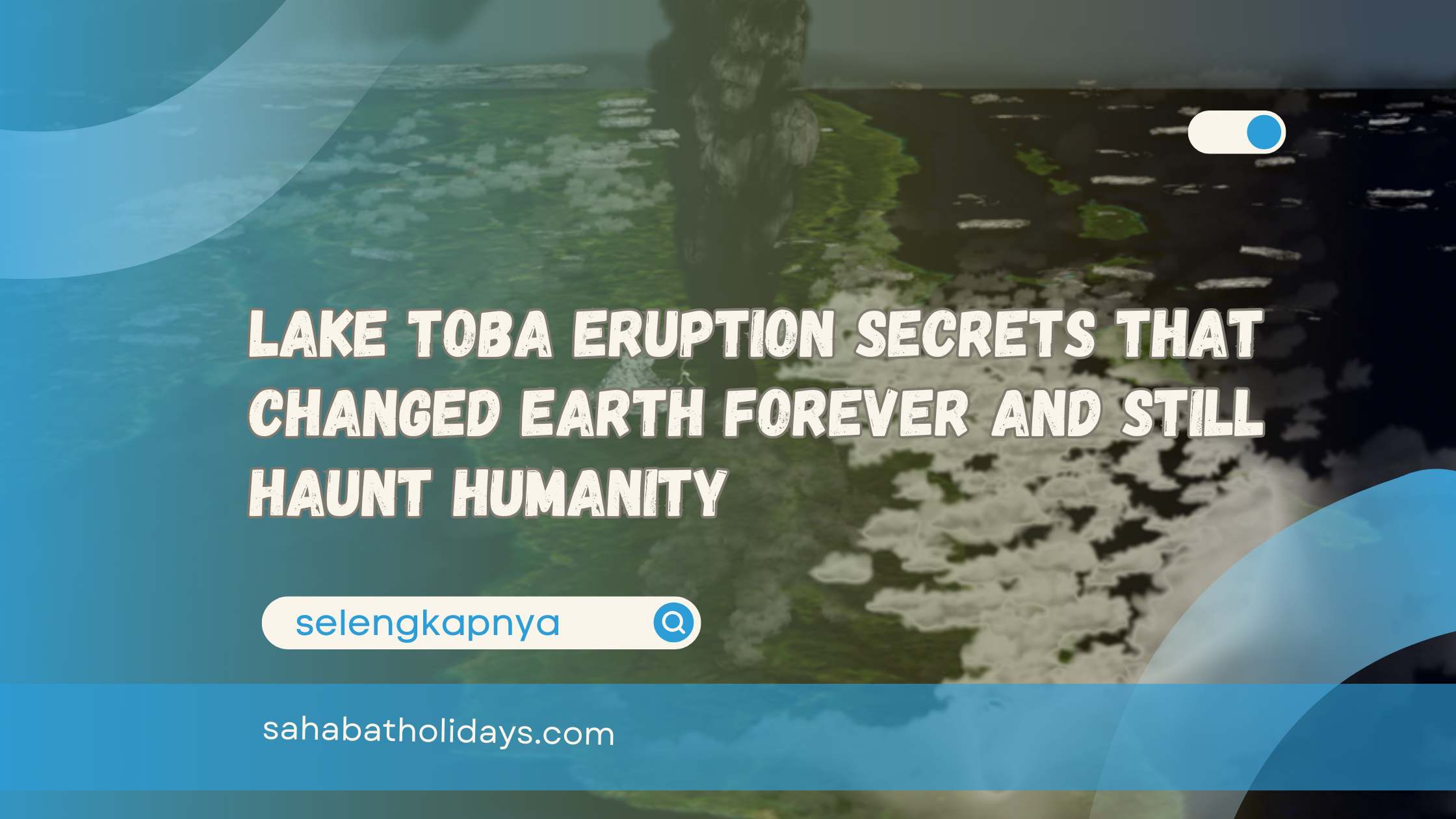
 Medan Tour
The lake toba eruption stands as one of the most powerful natural events ever recorded, reshaping landscapes and possibly altering the course of human evolution. Around 74,000 years ago, this supereruption in Sumatra released an unimaginable amount of volcanic material, leaving behind what we now know as Lake Toba. Its scale dwarfed modern eruptions, sending ash across continents and triggering global environmental consequences.
What makes this event even more fascinating is not just its size, but its lingering mysteries and debates among scientists. Did it nearly wipe out early humans, or was its impact less catastrophic than once believed? As research continues, the lake toba eruption remains a gripping story of survival, climate shifts, and the fragile balance of life on Earth.
What Is the Lake Toba Eruption
The lake toba eruption refers to a massive volcanic event that occurred during the Late Pleistocene epoch. It is classified as a supereruption with a Volcanic Explosivity Index (VEI) of 8, making it one of the largest known eruptions in Earth’s history. The eruption site is now occupied by Lake Toba in North Sumatra, Indonesia.
Scientists estimate that the eruption released around 3,800 cubic kilometers of material into the atmosphere. This included ash, gases, and pyroclastic flows that spread across vast distances. The aftermath formed a giant caldera that later filled with water, creating the iconic lake seen today.
Also Read: Medan Lake Toba Tour Package That Will Make Your Dream Vacation Come True
How the Eruption Unfolded
The eruption did not happen in a single instant but unfolded over several stages. It began with smaller ash emissions before escalating into a massive explosive phase. Pyroclastic flows surged across the surrounding region, while ash clouds rose up to 32 kilometers into the atmosphere.
This volcanic activity lasted between 9 and 14 days, but its effects extended far beyond that timeframe. Ashfall covered large parts of Asia, and traces have even been found as far as Africa. Such widespread distribution highlights the extraordinary magnitude of the lake toba eruption.
Global Impact of the Lake Toba Eruption
The effects of the eruption were both immediate and long-lasting. Massive ash clouds blocked sunlight, potentially leading to a temporary volcanic winter. This caused global temperatures to drop and altered weather patterns for years.
However, modern studies suggest the cooling may not have been as extreme as once believed. While there was a noticeable drop in temperature, some regions experienced only mild environmental changes. This has led to ongoing debates about the true extent of the eruption’s global impact.
The Toba Catastrophe Theory Explained
One of the most intriguing ideas linked to the lake toba eruption is the Toba catastrophe theory. This theory proposes that the eruption caused a dramatic reduction in the human population, creating a genetic bottleneck.
According to this hypothesis, only a few thousand humans may have survived the event. Yet, recent genetic and archaeological evidence challenges this view. Some studies indicate that human populations remained more resilient than previously thought, continuing to thrive in certain regions.
7 Shocking Facts About the Lake Toba Eruption
Before diving into these facts, it is important to understand that the lake toba eruption continues to be studied and debated. Each discovery adds new layers to our understanding of this extraordinary event. Below are some of the most fascinating insights that reveal its true scale and mystery.
1. It Was the Largest Eruption in the Quaternary Period
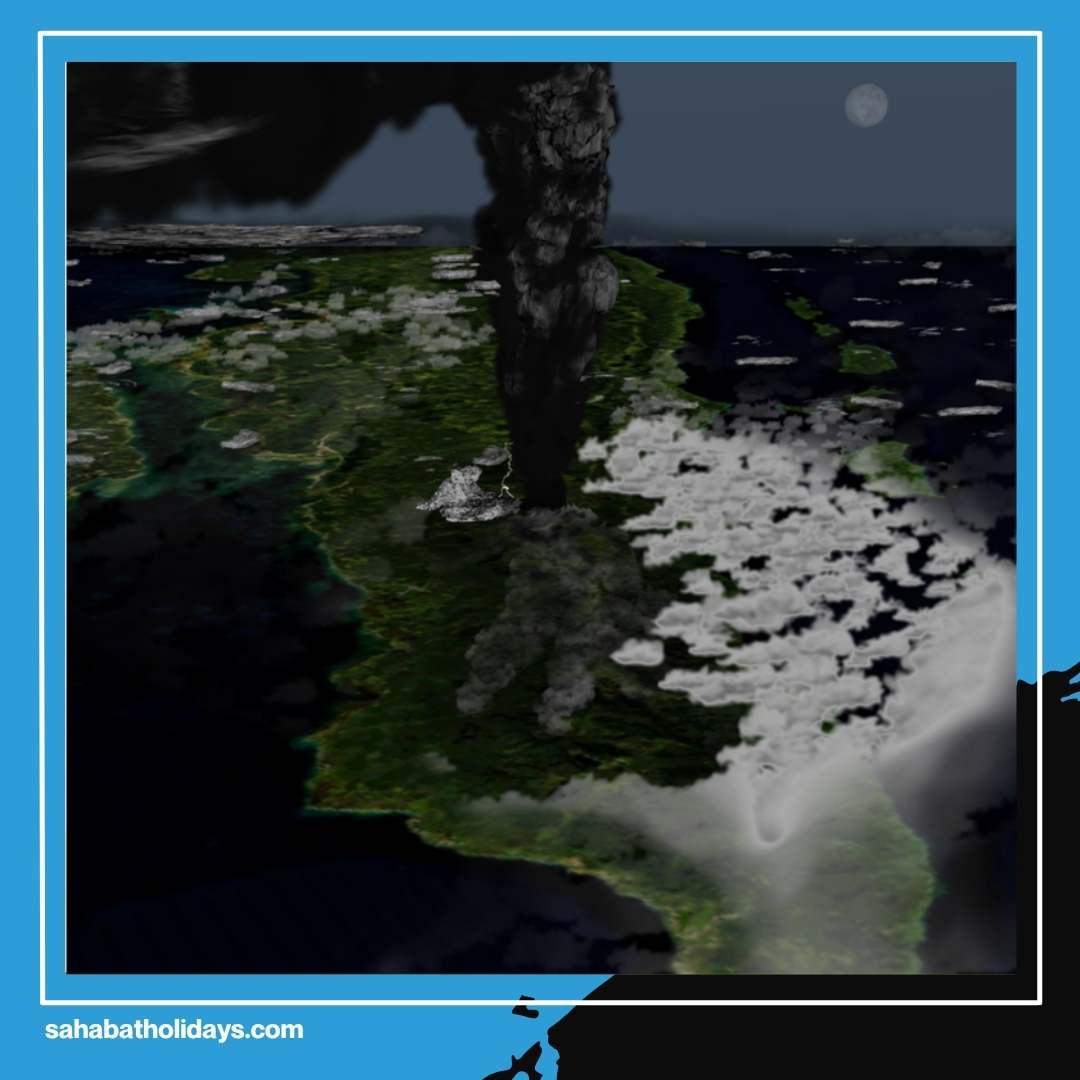
The lake toba eruption is considered the largest explosive volcanic event in the last 2.6 million years. Its VEI-8 classification places it at the top of the eruption scale. This means it released more material than any known eruption in that period.
Scientists compare it to hundreds of Mount St. Helens eruptions happening simultaneously. The sheer force of the explosion reshaped the Earth’s surface and atmosphere. Its magnitude still astonishes geologists today.
2. Ash Covered Nearly 7.5 Percent of Earth’s Surface
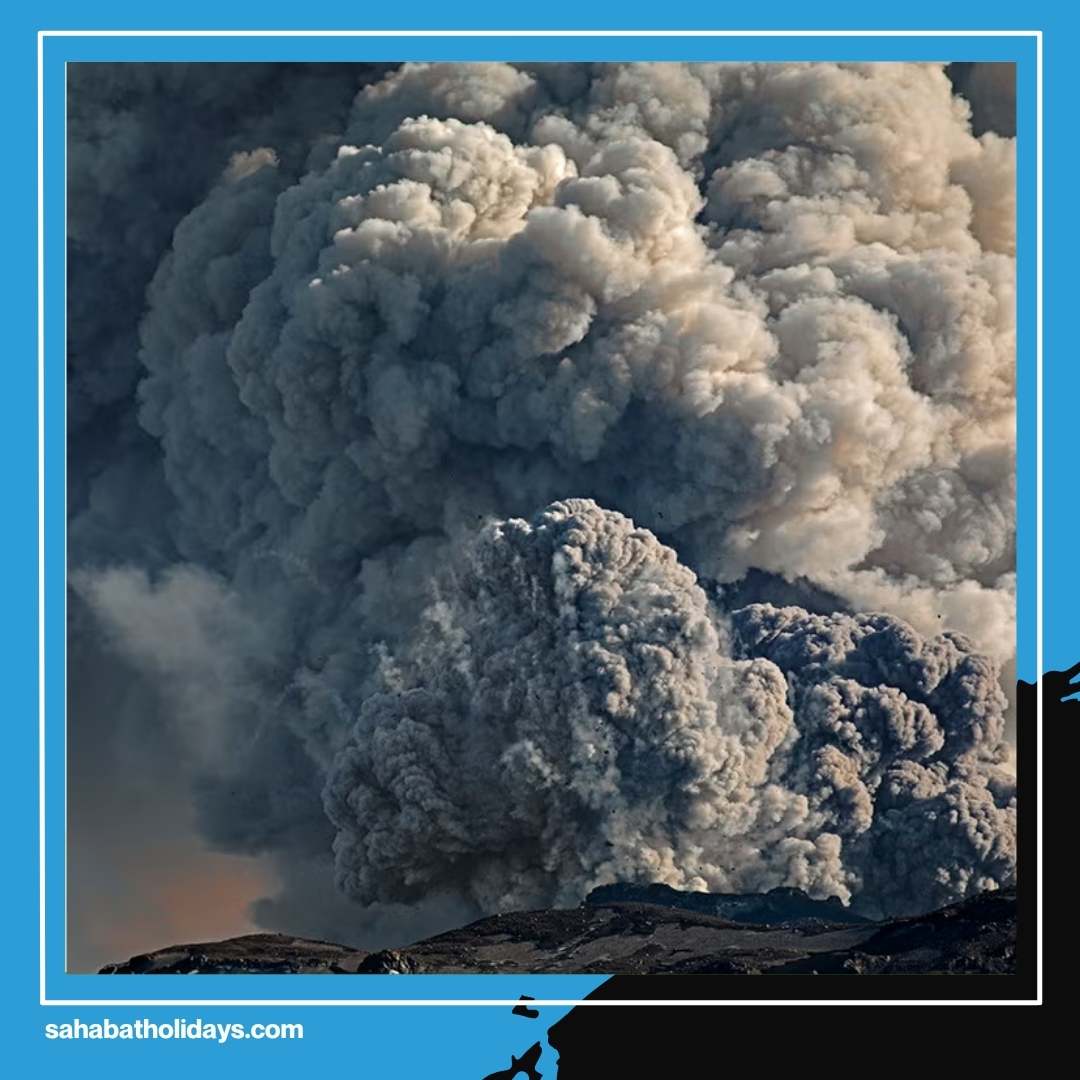
Volcanic ash from the eruption spread across an area of more than 38 million square kilometers. This included parts of South Asia, the Indian Ocean, and even regions in Africa. Such widespread coverage is rarely seen in volcanic events.
The ash layer varied in thickness, with some regions receiving several centimeters. This blanket of ash affected ecosystems, water sources, and climate patterns. It demonstrates just how far-reaching the eruption’s impact was.
3. It Created One of the World’s Largest Lakes
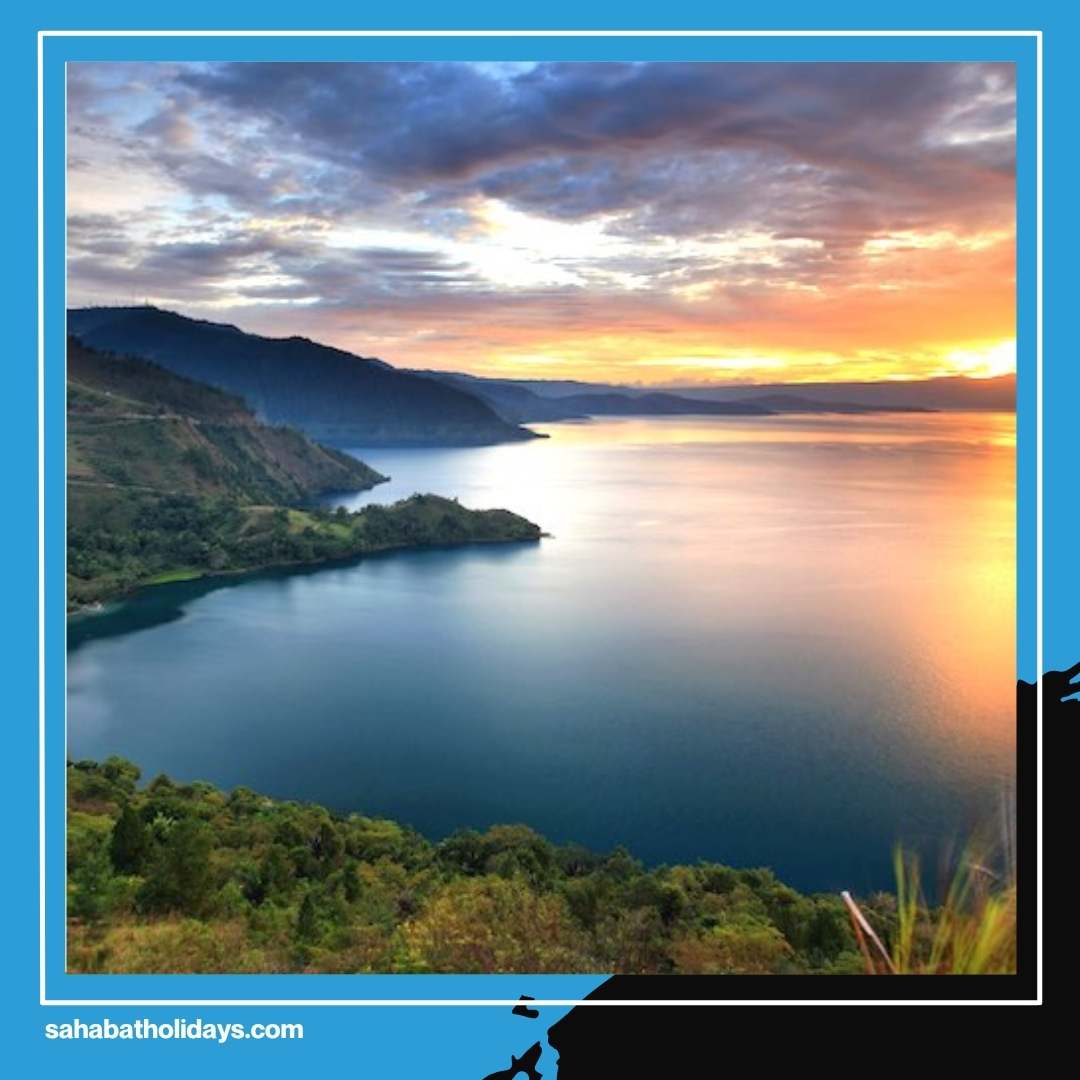
The collapse of the volcano formed a massive caldera that later filled with water. This resulted in Lake Toba, which is now the largest volcanic lake in the world. The island in the middle, Samosir Island, is actually a resurgent dome formed after the eruption.
Today, the lake is a popular турист destination, attracting visitors from around the globe. Its serene beauty contrasts sharply with its violent origin. This transformation highlights nature’s ability to recover over time.
4. The Eruption May Have Triggered Climate Changes
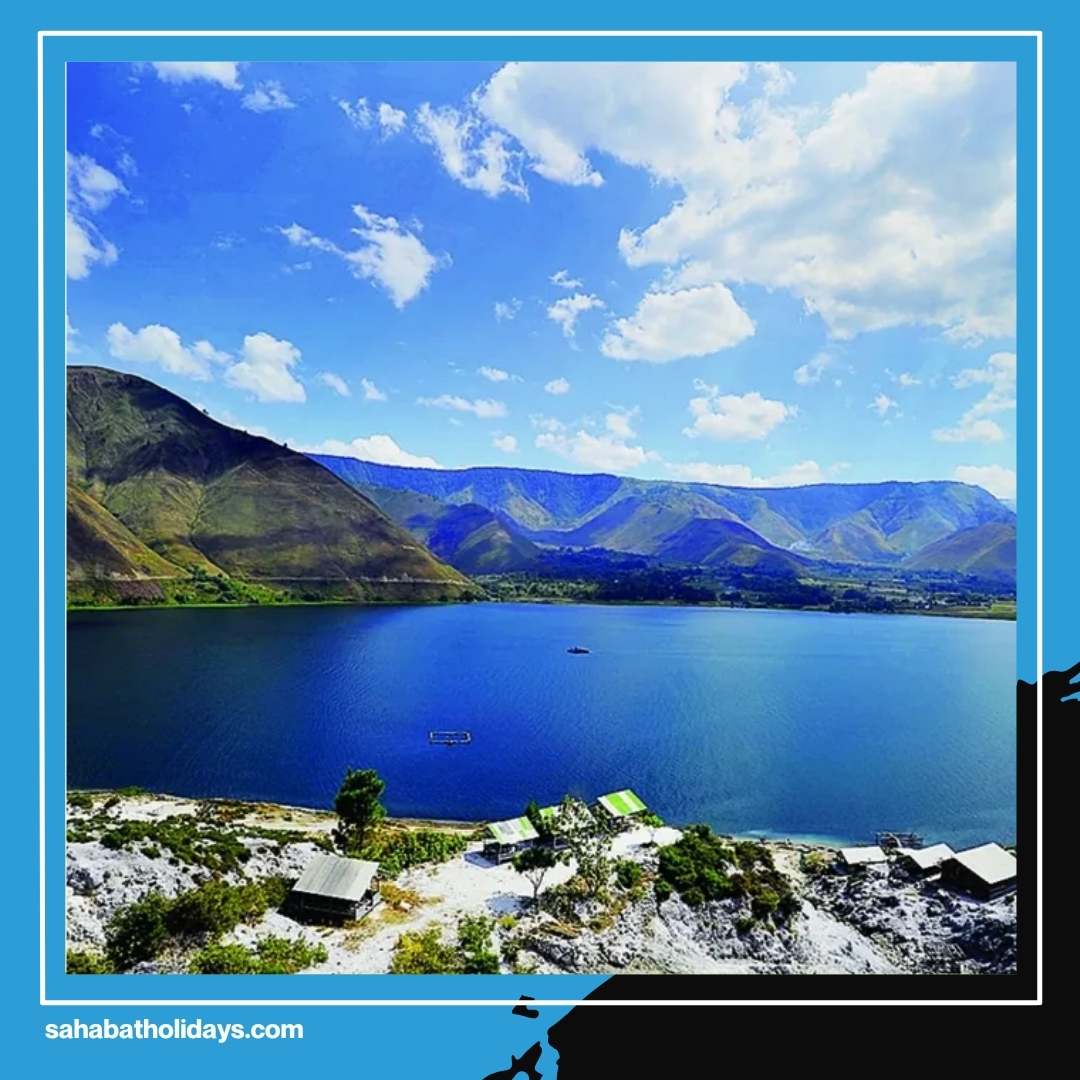
Some scientists believe the lake toba eruption caused a temporary global cooling event. This phenomenon, often referred to as a volcanic winter, may have lasted several years. Reduced sunlight and lower temperatures would have impacted plant and animal life.
However, newer climate models suggest the cooling was moderate and short-lived. The debate continues as researchers analyze ice cores and sediment records. These findings help refine our understanding of ancient climate systems.
5. Humans May Have Survived Against the Odds
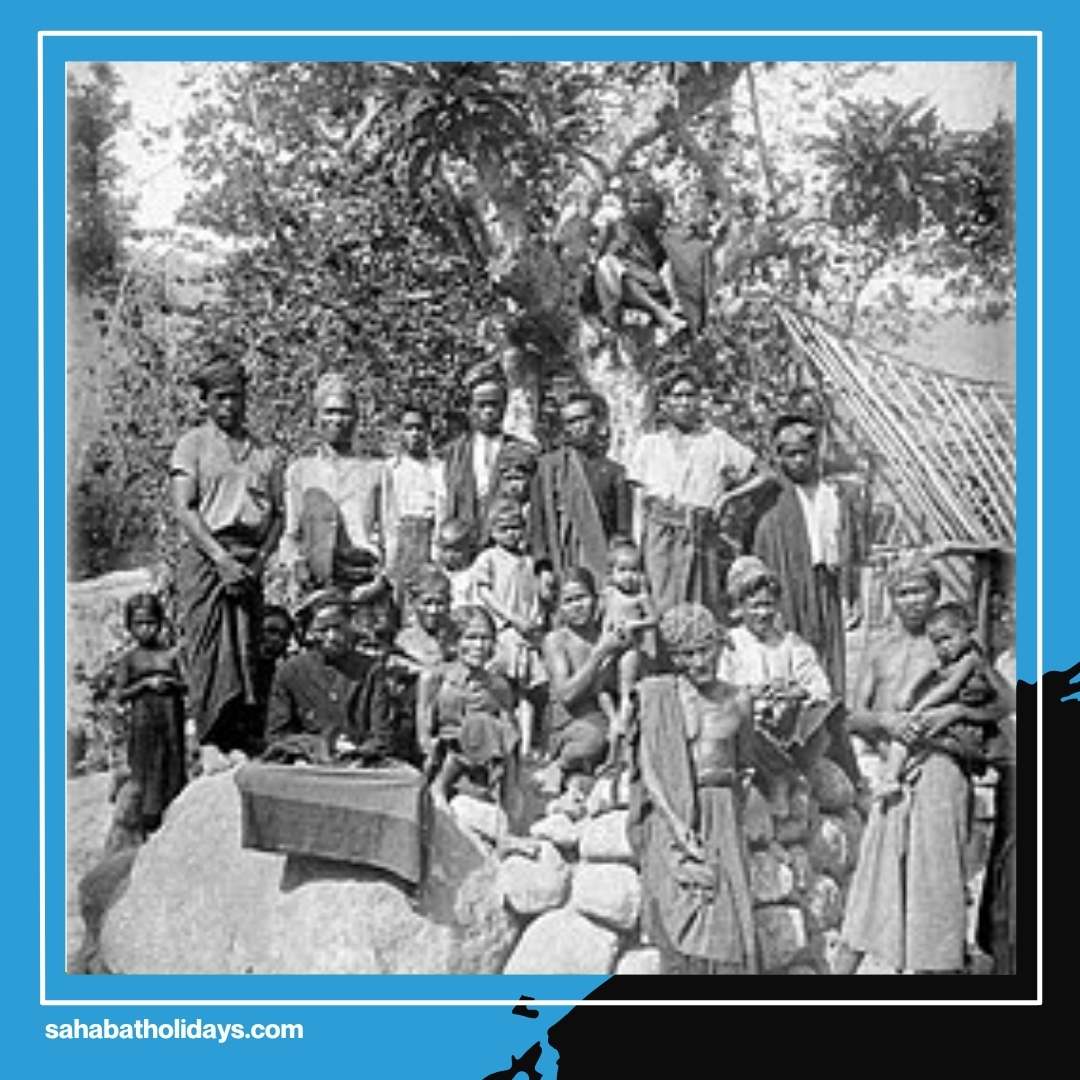
The Toba catastrophe theory suggests a severe reduction in human populations. Yet archaeological evidence shows that some communities continued to thrive despite the eruption. Tools found in India indicate uninterrupted human activity before and after the event.
This resilience challenges earlier assumptions about human vulnerability. It suggests adaptability played a crucial role in survival. Humans may have found ways to cope with environmental stress more effectively than expected.
6. The Eruption Released Massive Sulfur Emissions
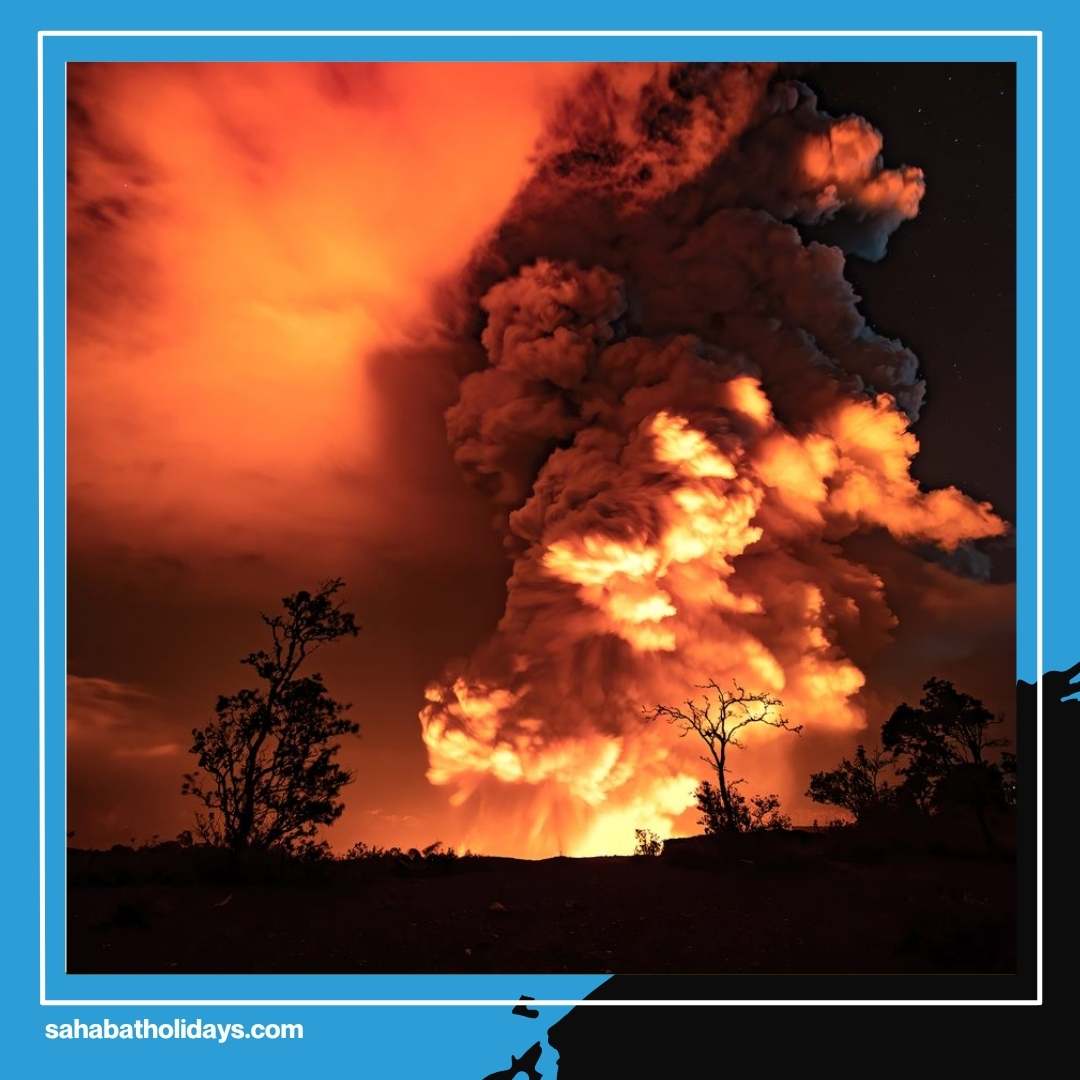
The eruption released enormous amounts of sulfur gases into the atmosphere. These gases formed aerosols that reflected sunlight and contributed to cooling. Estimates suggest sulfur emissions reached up to 1×10¹⁴ grams.
Such emissions are key to understanding the eruption’s climatic effects. They influence how much sunlight reaches the Earth’s surface. This factor remains central to ongoing climate modeling studies.
7. It Still Influences Scientific Research Today

The lake toba eruption remains a critical case study in geology, climate science, and human evolution. Researchers continue to analyze ash layers, genetic data, and climate records. Each new discovery reshapes our understanding of the past.
Its significance extends beyond history, offering insights into future volcanic risks. Studying such events helps scientists prepare for potential global impacts. The legacy of Toba continues to inform modern science.
Why Lake Toba Matters Today
Lake Toba is not just a geological wonder but also a cultural and турист destination. Its history attracts scientists, historians, and travelers alike. The story of its formation adds depth to its natural beauty.
Understanding the lake toba eruption also helps us prepare for future supereruptions. While rare, such events can have global consequences. Studying Toba provides valuable lessons in resilience and environmental change.
Experience the Wonders of Lake Toba with Expert Guidance
Exploring the legacy of the lake toba eruption becomes even more meaningful when guided by experts who understand its history and beauty. Discover the breathtaking landscapes, rich culture, and fascinating geology through curated travel experiences.
Sahabat Holidays Indonesia, founded in 2019 by Yusuf, brings years of tourism expertise since 2011, focusing on both international and domestic travelers. With a strong commitment to customer trust and satisfaction, they offer unforgettable journeys across Indonesia, including Medan Tour, Banda Aceh Tour, Padang Bukit Tinggi Tour, Pekanbaru Tour, Palembang Tour, Jakarta Bandung, Jogja Tour, Surabaya Tour, Bali Tour, Lombok Tour, and Makassar Tour.
Don’t miss the chance to explore Lake Toba through “The Spectacular of Lake Toba” in their Medan Tour Packages. Plan your trip now by visiting https://sahabatholidays.com/ or contact them directly via WhatsApp:
Chat directly via WhatsApp:

